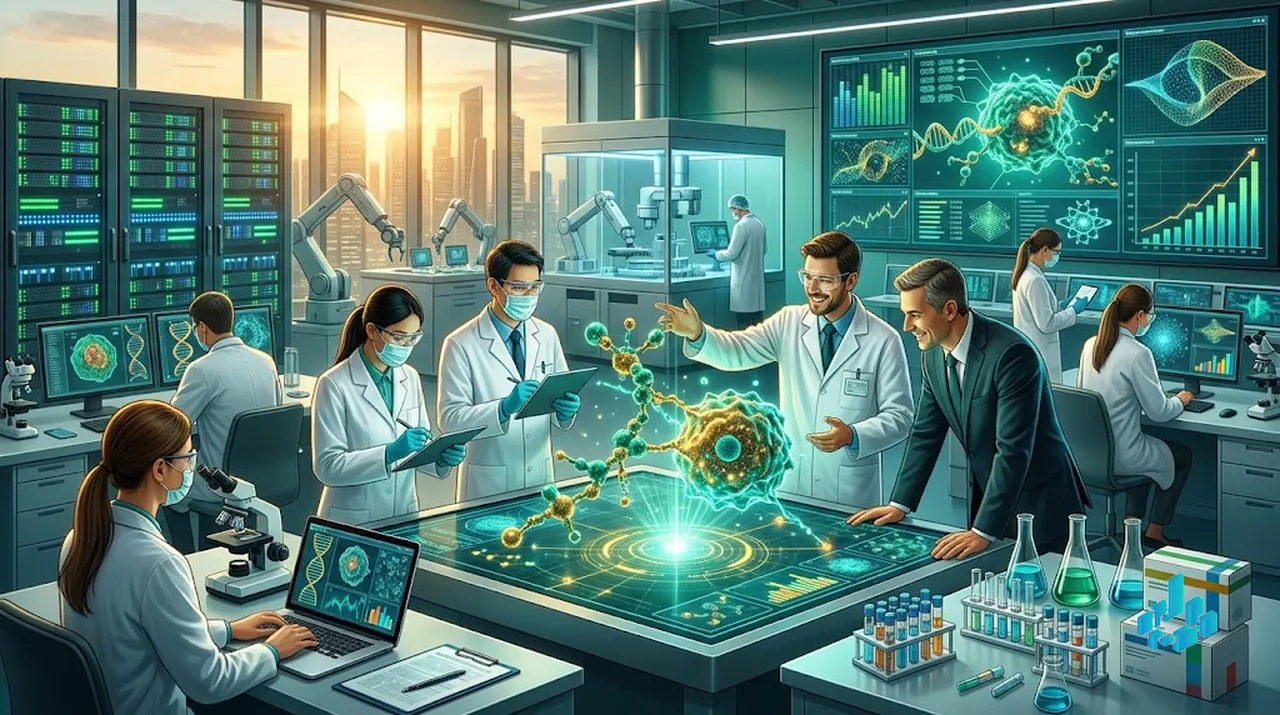
The true value of artificial intelligence lies far beyond text generation; it is embedded deep within physics and chemistry. On November 3, 2026, the journal Signal Transduction and Targeted Therapy (Nature Portfolio) published the results of a breakthrough application of AI in oncology (the SITGEM-CARE trial). In fractions of a second, algorithms analyzed the structure of existing medications and discovered that sitagliptin (a cheap diabetes drug) is capable of radically enhancing chemotherapy efficacy for pancreatic cancer.
Clinical trials have already validated the AI’s hypothesis (an objective response in 36.4% of patients). For DeepTech and pharmaceutical macroeconomics, this is a revolution. AI dismantles the traditional R&D cycle, compressing decades of discovery and billions in new molecule investments. The B2B sector gains a powerful tool for repurposing old patents. Laboratories capable of integrating neural networks into biochemical analysis will crash the cost of drug development and seize a monopoly in the pharmacological market, leaving sluggish corporate giants behind.
Sources: Nature (Signal Transduction and Targeted Therapy) | ClinicalTrials.gov
Machine Alchemy: AI Finds Way to Treat Cancer Using Old Diabetes Drug