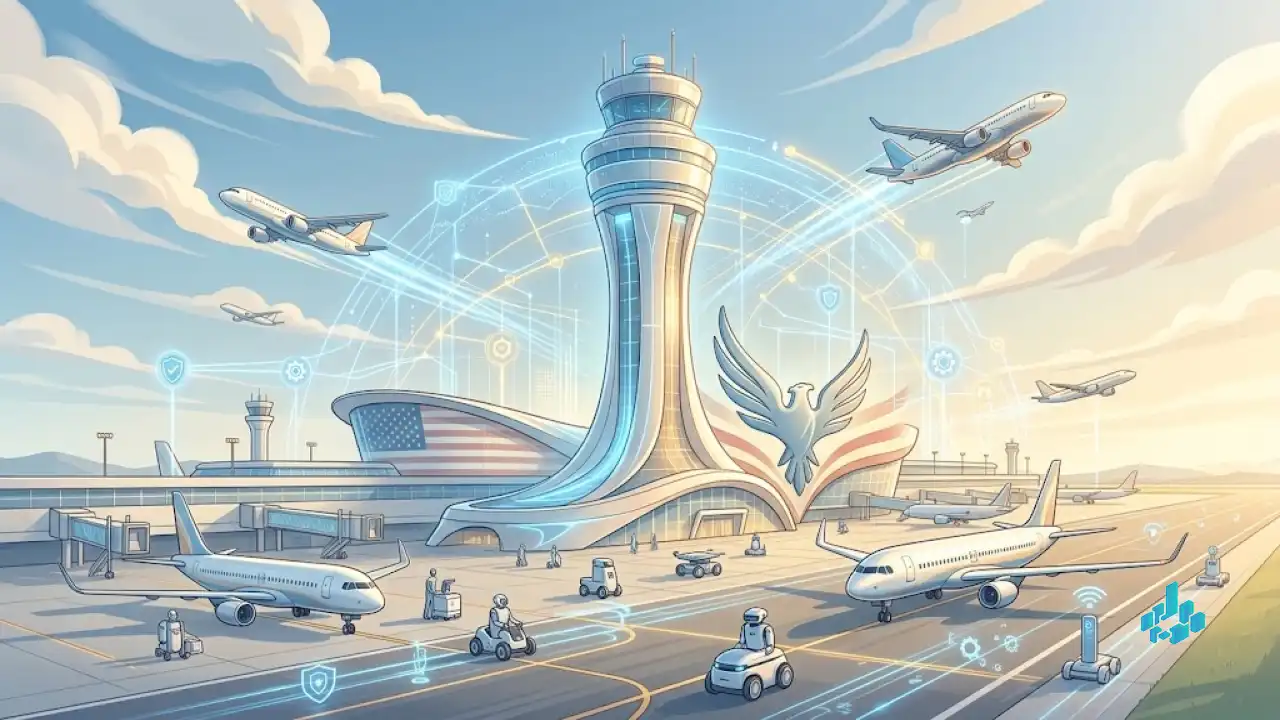
The neural network autonomously aggregates 200 data streams (weather, routes, controller workload) to prevent delays in the Washington area, with subsequent scaling across the entire US. This is a colossal macroeconomic precedent for the B2B and GovTech sectors. The state has entrusted algorithms with logistics where the cost of an error is measured in hundreds of human lives. The success of the SMART system will open the floodgates for the total automation of transport, energy, and municipal networks. Agents have transitioned from writing code to physically routing the real world.
Source: FAA / Reuters
GovTechInfrastructureFAAB2GMacroeconomics