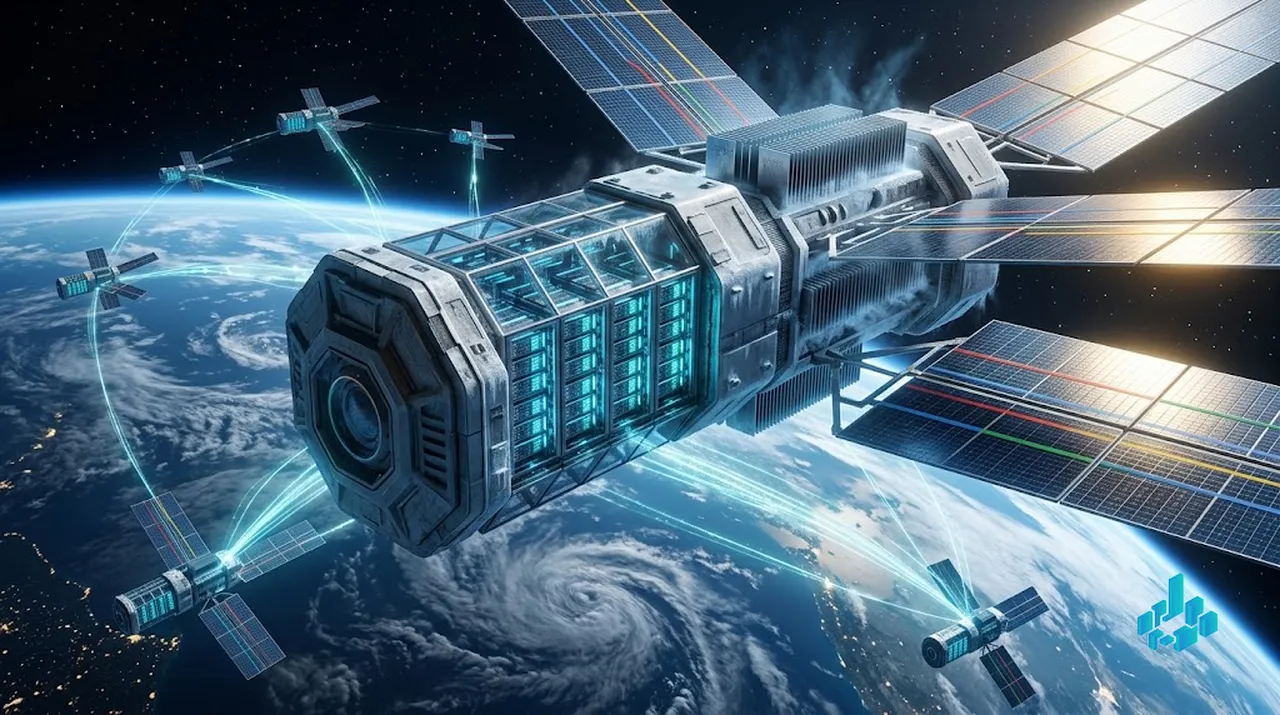
The mission's goal is to test AI hardware under extreme radiation and the vacuum of space. For the macroeconomics of cloud computing, this signals the dawn of a new era. Terrestrial data centers are hitting the physical limits of cooling and power supply. Deploying orbital infrastructure solves the heat dissipation problem and enables the creation of a global, independent network for autonomous agents. Big Tech is placing a long-term bet on DeepTech: in the future, AI computing capacity will be assembled in orbit, guaranteeing the uninterrupted operation of critical B2B and military systems outside the jurisdiction of Earthly states.
Source: Google Research / WSJ
DeepTechGoogleSpaceHardwareMacroeconomics