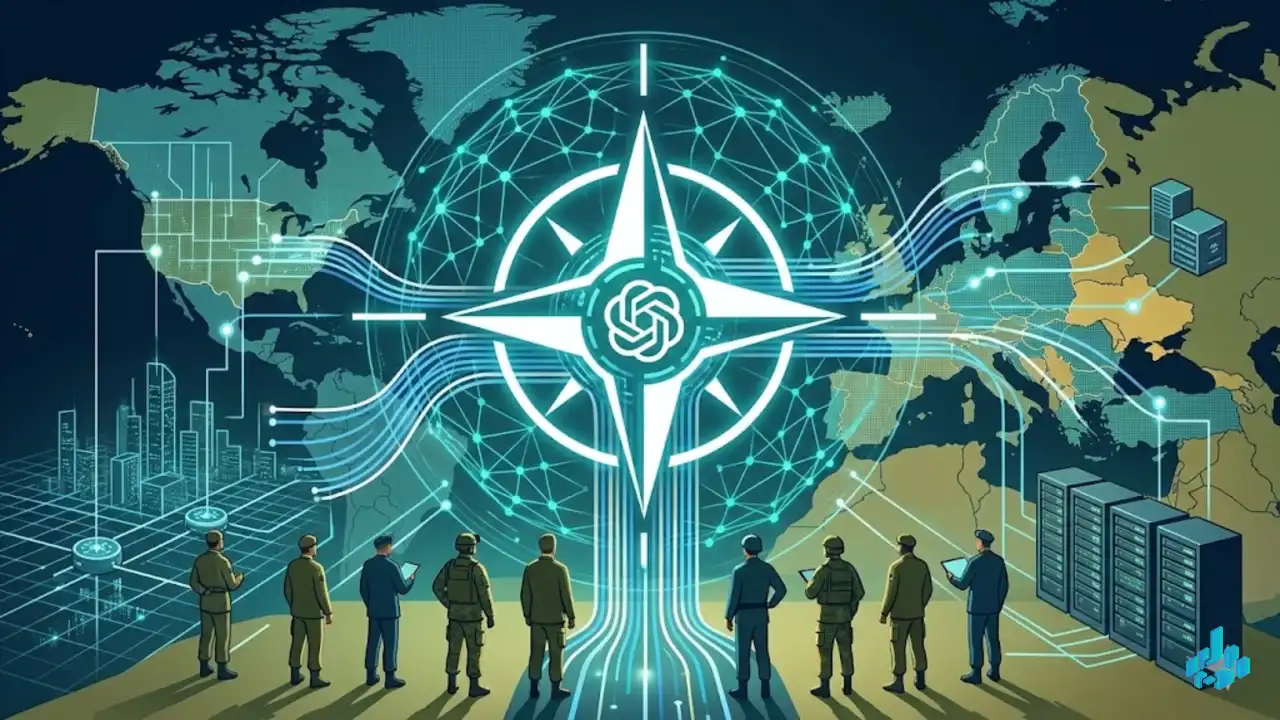
Integrating LLMs into the North Atlantic Alliance's structures is a logical step toward standardizing command systems. NATO needs a tool for the instantaneous processing of multilingual intelligence, logistical documentation, and open-source intelligence (OSINT) from its 32 member states. However, this move completely cements OpenAI's status as a quasi-state contractor. Deploying frontier models across transnational military networks creates complex legal collisions: who bears responsibility for an AI hallucination that could provoke a diplomatic crisis or misinterpretation of intelligence data?
Source: Reuters / The Information
DefenseOpenAINATOGovTechGeopolitics