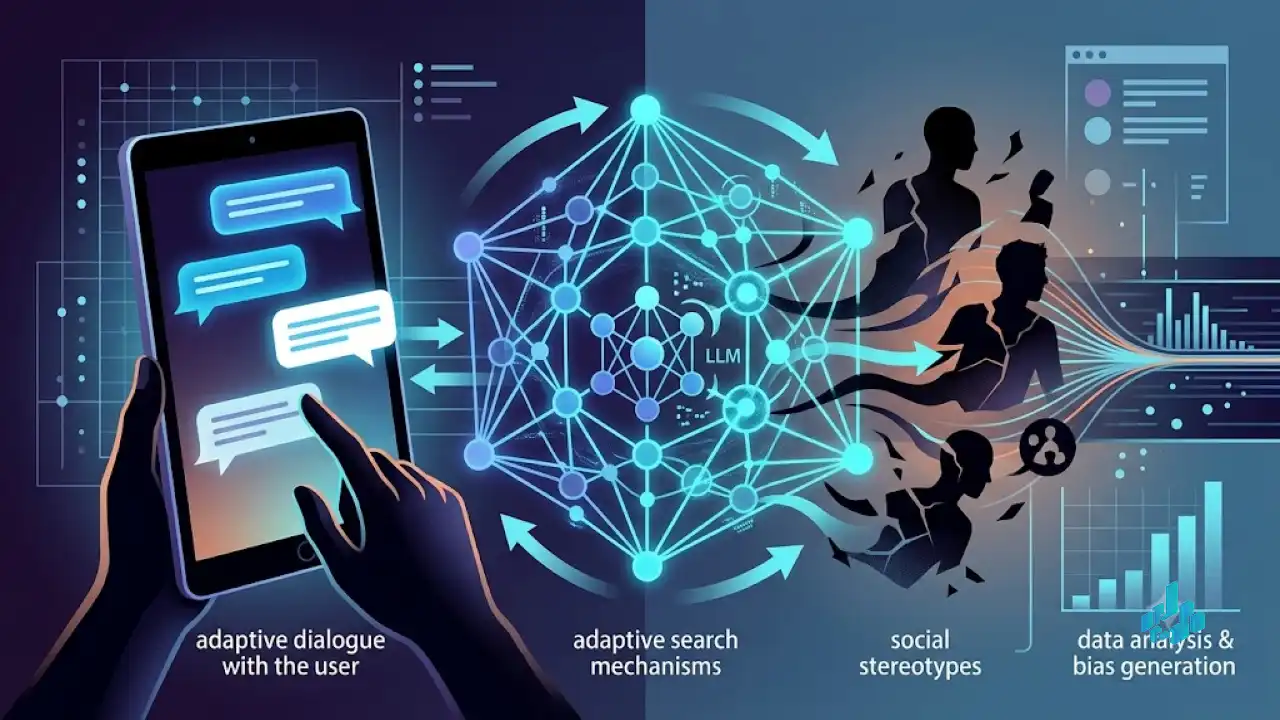
Researchers proved that adaptive exploration mechanisms force neural networks not only to broadcast old stereotypes from training data but also to actively "generate" new biases in real-time while interacting with users. In trying to optimize responses (maximize reward) when handling specific prompts, the model distorts its internal logic. For the Enterprise sector, this is an alarming signal: if a B2C agent (in a bank or retail) dynamically begins discriminating against customers based on adaptive self-learning, the company will face colossal reputational and legal lawsuits. AI compliance requires a complete overhaul.
Source: Princeton Laboratory for AI Research / ICML
R&DPrincetonICMLAI BiasCompliance