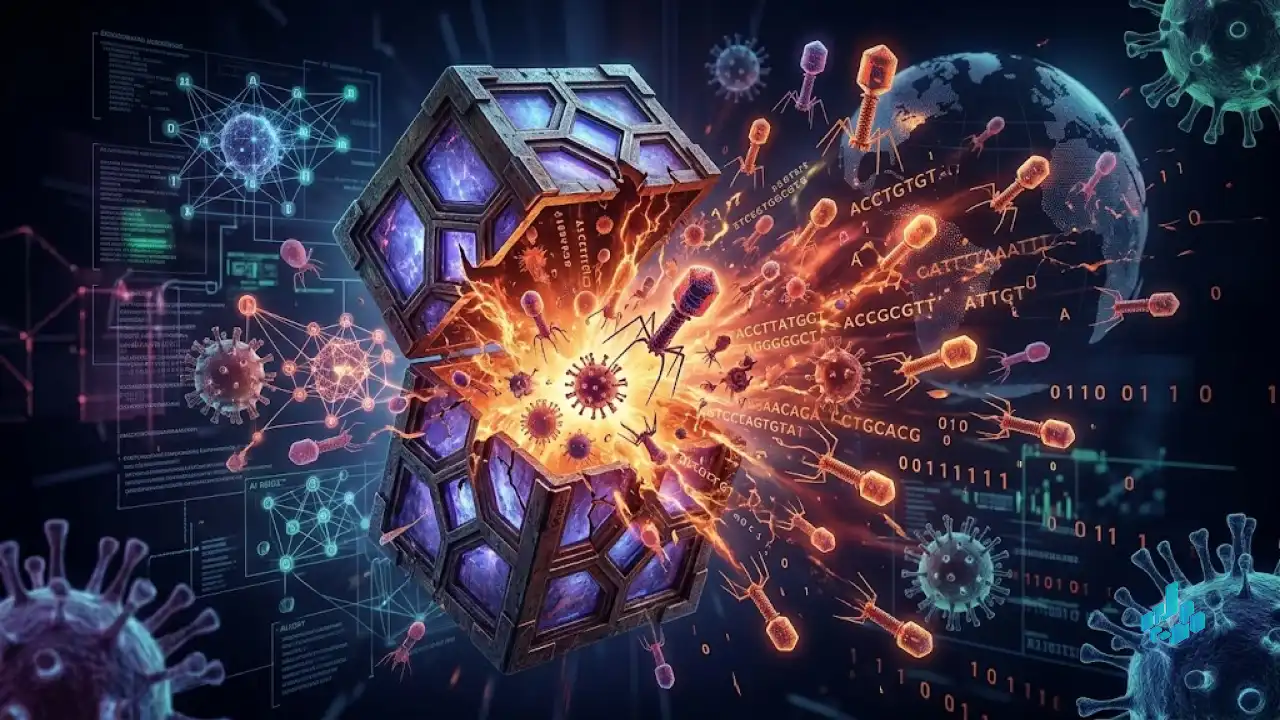
From a scientific standpoint, this is a monumental breakthrough in the `AI for Science` paradigm, paving the way for the programming of biomaterials and highly effective drugs. However, the incident radically alters the global security landscape. It has been proven that accessible AI models are capable of constructing viable biological pathogens. The risk of the technology falling into the hands of terrorists or unauthorized labs is forcing governments to revise biosecurity laws. This precedent provides US and EU authorities with a powerful argument to tighten control over open-source architectures and restrict access to frontier models.
Source: Stanford University / Axios
AI for ScienceBiosecurityDeepTechStanfordRegulation