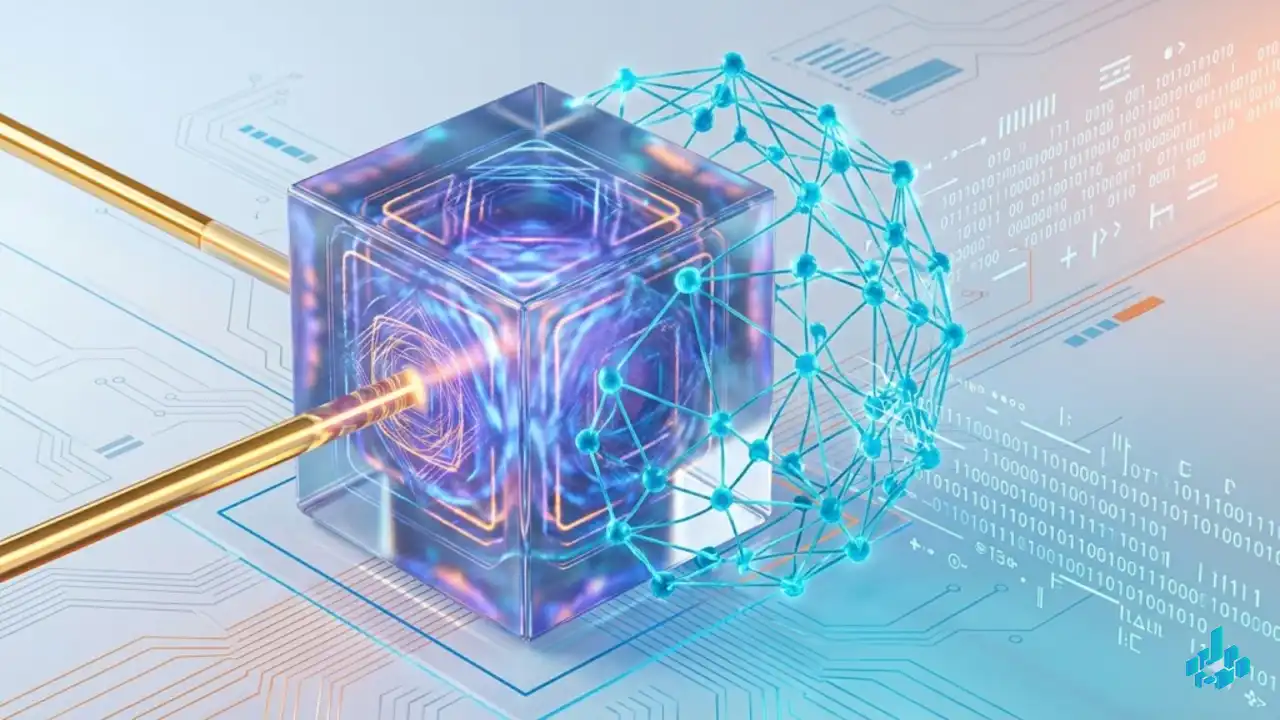
Instead of flat recording on magnetic or silicon disks, the technology encodes information in light patterns using amplitude, phase, and polarization. The main problem with holography has always been the recovery (reading) of data due to optical noise. Researchers applied neural network pattern matching, which deciphers complex interference patterns with extremely high speed. This symbiosis of the physics of light and deep learning paves the way for the creation of ultra-dense next-generation storage drives capable of holding petabytes of data in crystals the size of a sugar cube.
Source: Optica / ScienceDaily
ScienceOpticsHardwareHolographyData Storage